

If you’ve ever watched the sitcom How I Met Your Mother on E4 or Netflix, you’ll have heard Barney Stinson make an impassioned argument that “new is always better”. Of course, his sweeping statement doesn’t stand up to much scrutiny as he’s then asked whether the new Star Wars movies are better than the old ones, or whether he prefers to listen to Guns N’ Roses’ classic hits or their later work.
The truth is, the tried and tested ways often outdo their modern equivalents. Despite the hundreds of new games released every year, the century’s old game of roulette continues to be a favourite among casino-goers. Similarly, some of the most-loved buildings in Britain, from the Houses of Parliament to the St. Pancras Renaissance Hotel, are hundreds of years old. Meanwhile, many modern buildings like the Walkie-Talkie Tower and the Greetham Street Student Halls in Portsmouth have been criticised for being ugly, ill-fitting, or impractical.
New doesn’t always mean bad – modern factories are safer than those worked in by the Victorians, new computers are usually faster, and modern aircraft are definitely safer than those used in the early days of the jetliner.
But why is Barney Stinson so categorically wrong when he says “new is always better”? Let’s take a look.
Clothing
We all love to look great, especially since getting the right outfit can really make you feel confident. Have you ever bought a new top and wondered why it starts to pill after just a couple of washes? Or perhaps you’ve had a pair of shoes that have separated from the sole after a few trips outside? That’s because much of the clothing made today, or at least the low-priced “fast fashion” garments, aren’t made to last.
Your grandparents and the generations before them likely owned just a handful of garments at any one time. Clothes were not mass-produced using global supply chains in the same way that they are today.
Stores like Marks & Spencer didn’t have scouts watching what was happening on the catwalks of Milan, ready to have a copycat version designed and mass-produced in a matter of weeks.
Until the 1950s and 1960s, men would mostly wear shirts, trousers and ties, even when not going to work. They were simple, easy, and were always in style. Women mostly wore dresses and, though fashions did still change, you’d get much more life out of a dress than today.
We actually now spend less on clothing than we did in the 1950s, with only 5% of household spending going on new garments, compared to 10% in 1957. Despite this, we now buy four times as many clothes as we did in the 1980s, with the average woman buying half their body weight in new fashion each year.
However, old is often better in this case because buying some timeless, quality pieces that are built to last will save you money, keep you looking great, and protect the planet.

Appliances
On average, washing machines last about 10 years, while the fridge (hopefully) should last about 13. This number has slowly been decreasing over time, with many older devices capable of lasting two to three times longer.
Part of this is because of outsourced component manufacturing, cost-cutting initiatives, and “planned obsolescence”.
Your smartphone is another great example. Somewhere in your home, you’ll likely find a Nokia 3310 lying in a drawer. Despite it being more than 20 years old, that model still works just as well as it did back in the day. Its battery can still last a week, and it can take a lot of punishment.
Compare this to your new handset – you’ll likely change it in two years when it starts to slow down, and you’re lucky if you get a day from its battery.
You can beat the system of planned obsolescence though; look for brands that offer longer warranties and don’t fall for the marketing hype that convinces you to upgrade your phone.
Furniture
Think about the furniture your grandparents have/had. It’s likely they bought it before you were even born. Over the border in Wales, inheriting furniture is still a cherished tradition for many people.
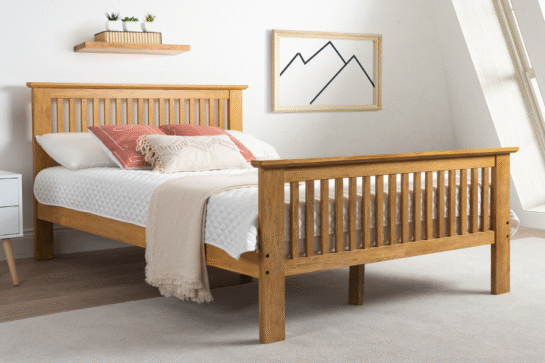
Classic pieces, whether they be sturdy dining tables, solid dressers, or a beautiful rocking chair, were typically handmade and constructed from real wood. Like some older buildings, they were also often over-engineered, making them much stronger than they needed to be.
A lot of flat-pack furniture is made from composite chipboard, which doesn’t have the same durability as a solid slab of oak.
You can still benefit from the classic way of making furniture though, either by looking for “vintage” items or buying from a manufacturer that uses traditional materials.