
While buildings insurance covers the structure of your home, contents insurance is very different. Getting to grips with what is it and why you might need it can be tricky. To help you understand the details of this type of insurance, keep reading.

What is it and why do I need it?
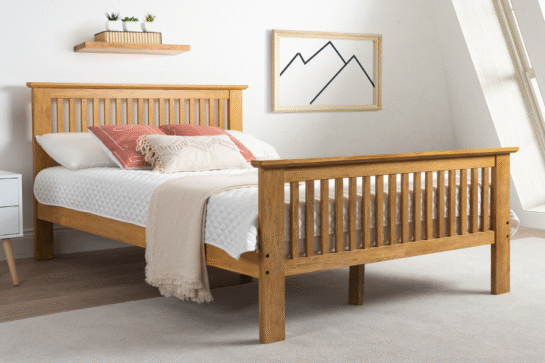
Contents insurance is a form of a cover that is designed to protect your personal belongings. The term ‘contents’ refers to all the things in your home that you could take with you if you were to move. This includes items such as pieces of furniture (like your bed, sofa and dining table), electrical goods (including your TV, laptop and games consoles), as well as things such as clothes, jewellery, DVDs and books.
This insurance offers you financial protection in the event that your possessions are damaged or stolen. Having contents insurance in place means that you won’t be left to pick up the costs yourself. Whether you own or rent the property you live in, you are not legally obliged to have this cover in place. However, it’s important to think about how much it would cost you to replace these belongings. Even if you’re careful to avoid disasters and you think your home is relatively safe, there is always a risk that your possessions could be damaged or stolen. So, unless you’re prepared to put your hand in your pocket to fix or replace your belongings, you might to consider taking out suitable cover.
Which policy is right for me?
So that you’re suitably insured, it’s important to pick the right policy. For example, if you rent your home, you can get protection specially designed for tenants that includes tenancy liability cover, such as the tenants contents insurance from HomeLet. Under the terms of your tenancy agreement, you might be required to cover the cost of any damage you cause to your landlord’s property. Tenancy liability protection ensures that if this happens, you aren’t left counting the cost yourself.
More generally, there are a range of contents insurance exclusions and add-ons that you’ll need to get to grips with to make sure your policy reflects your needs. For instance, if you cycle regularly, you could tweak your policy to include cycle cover so that your bike is insured even when it’s being used away from your home. You might also want to extend your accidental damage protection to include high-value items that you own, such as your mobile phone. What’s more, you could consider adding personal legal protection to make sure you don’t have to pick up hefty solicitors’ bills if you encounter common legal problems.
Although contents insurance is not mandatory, having a policy in place is guaranteed to give you added peace of mind, as well as help safeguard your finances should anything go wrong.