
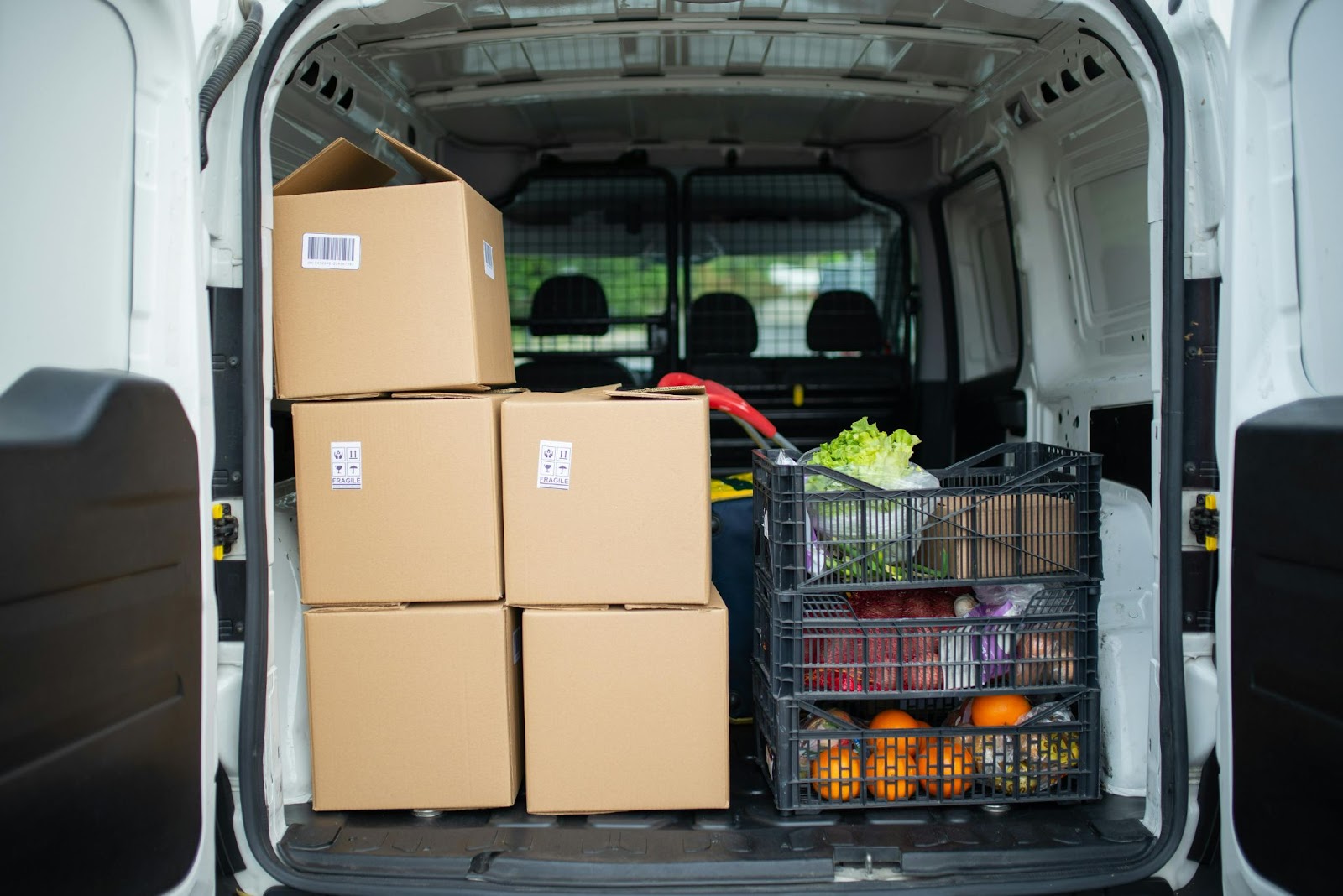
Small businesses often face storage challenges, especially during busy seasons. A simple way to address this is by utilizing rental crates for small business storage. These crates are designed for durability and convenience, making them ideal for safely storing seasonal stock or equipment while freeing up valuable workspace.Effortless storage solutions can streamline operations, reduce clutter, and ultimately support business growth. By optimizing space and enhancing efficiency, small business owners can focus on their core activities rather than getting bogged down by disorganization.
Adopting effective storage strategies not only improves productivity but also creates a more professional environment. Implementing systems that allow for easy access and organization can significantly reduce time spent searching for materials and supplies.
In a competitive landscape, a well-organized workspace can be a game-changer. Embracing storage solutions empowers small businesses to scale up without the chaos that often accompanies growth, paving the way for success and sustainability.
Understanding Small Business Storage Needs
Small businesses require a thoughtful approach to storage to support their operations. Recognizing their current capacity and anticipating future needs are essential for avoiding disruptions. Additionally, balancing budget constraints while ensuring efficient storage solutions is critical.
Evaluating Current Storage Capacity
Assessing existing storage capacity is the first step in understanding small business needs. This involves inventory management to identify what items require storage.
Key considerations include:
- Physical space available: Measure the dimensions of the storage area.
- Organizational methods: Evaluate current shelving and layout.
- Supplies on hand: Inventory levels and turnover rates should inform storage strategies.
This assessment helps determine if the current setup meets the business’s operational demands or if adjustments are needed.
Anticipating Future Storage Requirements
Forecasting future storage needs is crucial for sustainable growth. Businesses should consider factors such as expected sales increases, seasonal fluctuations, and potential product line expansions.
Effective strategies might involve:
- Analyzing trends: Look at historical sales data for patterns.
- Flexible storage solutions: Consider scalable options such as additional shelving or off-site storage.
- Backup plans: Identify how to accommodate unexpected inventory increases.
By planning ahead, a small business can avoid bottlenecks and logistical challenges as it grows.
Balancing Budget and Performance
Finding a cost-effective solution while maintaining high performance is a challenge. It is essential for small businesses to evaluate their storage options against their budgets.
Considerations for balancing these factors include:
- Long-term investments: Assess whether investing in durable shelving or storage systems will save money in recurring costs.
- Outsourcing options: Explore third-party logistics or warehousing for less frequent needs.
- Prioritizing needs: Focus on essential storage requirements before expanding to additional features or services.
Careful analysis of both budget and performance will allow small businesses to invest in storage solutions that promote efficiency without compromising financial stability.
Optimizing Physical Storage Solutions
Efficient physical storage solutions are crucial for small businesses aiming to maximize their productivity. By focusing on space efficiency, utilizing vertical solutions, and incorporating scalable systems, businesses can enhance their storage capabilities effectively.
Maximizing Space Efficiency
Maximizing space efficiency involves strategic organization and layout planning. Implementing systems such as shelving units and sturdy containers can streamline storage. Arranging items by frequency of use allows for quick access, ensuring that essential tools or products are readily available.
Using clear bins and labels contributes to better organization. This method not only improves retrieval times but also reduces clutter, creating a more navigable workspace. Consider the dimensions of items and choose storage solutions that minimize wasted space. For instance, adjustable shelving can adapt as inventory changes.
Utilizing Vertical Space
Vertical space often remains underutilized in small business environments. By leveraging shelves, wall mounts, and pegboards, businesses can significantly increase their storage capacity. Wall-mounted shelves can hold materials without taking up valuable floor space. This approach also enhances accessibility.
Incorporating hooks or racks allows for the storage of small tools and equipment. Using stackable containers can further optimize vertical storage. Planning the layout to include vertical solutions requires assessing the height of ceilings and the weight capacity of shelves. This maximization leads to a more organized and efficient workspace.
Incorporating Scalable Storage Systems
Scalable storage systems adapt to the changing needs of a small business. These systems allow for flexibility as inventory levels grow or shrink. Modular shelving can be reconfigured easily to accommodate different products.
Investing in adjustable shelving units can provide the adaptability required over time. Using mobile storage carts can also facilitate quick adjustments to layout as needs evolve. Consider digital inventory management systems that integrate with physical storage, allowing for real-time tracking of space usage.
By implementing scalable solutions, businesses ensure that their storage systems remain effective and efficient as they grow. This flexibility is key to maintaining an organized and productive environment.
Leveraging Cloud Storage for Growth
Cloud storage has transformed how small businesses handle their data, providing scalability, flexibility, and cost-efficiency. By utilizing cloud solutions, businesses can streamline their operations and enhance their growth potential.
Benefits of Cloud Solutions
Cloud storage offers several key advantages for small businesses. Scalability is one of the most significant benefits, allowing organizations to increase or decrease storage as needed. This ensures that they only pay for what they use, which helps manage budgets effectively.
Accessibility is another important factor. Cloud solutions enable employees to access files from anywhere, fostering remote work and collaboration. This capability can lead to improved productivity as teams can work seamlessly, regardless of location.
Data security is also critical. Reputable cloud providers offer robust security measures, including encryption and regular backups. This reduces the risk of data loss and helps businesses comply with data protection regulations.
Selecting the Right Cloud Storage Provider
Choosing the right cloud storage provider involves evaluating several factors. First, businesses should assess the pricing structure. Monthly or annual fees should align with their budget and expected usage.
Next, consider the features offered. Essential features may include file sharing, version control, and collaboration tools. It’s vital to identify which functionalities are necessary for the business’s specific operations.
Customer support also plays a crucial role. A responsive support team can resolve issues quickly, minimizing downtime. Checking reviews and testimonials can help gauge the reliability of a provider’s support services.
Integrating Cloud Storage with Local Systems
Integration of cloud storage with existing local systems enhances efficiency. Businesses should ensure compatibility between cloud solutions and current technologies. This may involve using compatible APIs or specialized software.
Automation tools can aid in synchronizing data between local and cloud storage. This reduces manual effort and minimizes errors. Scheduling regular backups to the cloud ensures that important files are secure and readily available.
Training staff on the new system is essential for a smooth transition. Offering resources and support will help employees adapt quickly. This can lead to improved productivity and a more streamlined workflow.
Ensuring Data Security and Accessibility
Data security and accessibility are critical for small businesses to thrive. Implementing effective security measures, maintaining regular backups, and streamlining data retrieval processes can help safeguard information while ensuring it remains easily accessible when needed.
Implementing Robust Security Measures
Small businesses must prioritize strong security protocols to protect sensitive information. Utilizing firewall systems and antivirus software helps in mitigating cyber threats.
Encryption of data both in transit and at rest is essential. This ensures unauthorized individuals cannot access sensitive data, even if they breach security measures.
Employee training on recognizing phishing attempts and safe internet usage can further bolster security. Regular audits of security protocols also help identify vulnerabilities, ensuring businesses remain proactive in their defense strategies.
Regular Data Backup Strategies
Consistent data backups are vital for safeguarding important business information. Companies should implement automatic backup systems that regularly save data to secure cloud storage or external drives.
Frequency of backups should match the business’s operational needs, ensuring minimal data loss in case of system failures. Storing backups in multiple locations adds an extra layer of protection.
Testing backup systems regularly is crucial to confirm data can be restored effectively. A structured backup strategy can greatly reduce downtime and streamline recovery in the face of unexpected data loss.
Streamlining Data Retrieval Processes
Efficient data retrieval processes can enhance productivity and decision-making. Businesses should establish a well-organized data management system that categorizes and labels files clearly.
Utilizing document management software can facilitate quick searches and access to information. Implementing user roles and permissions ensures that team members access only the data necessary for their tasks, enhancing both security and efficiency.
Regularly reviewing and updating data access protocols keeps the system aligned with evolving business needs. This practice supports an agile environment where information is readily available, fostering growth and informed decision-making.