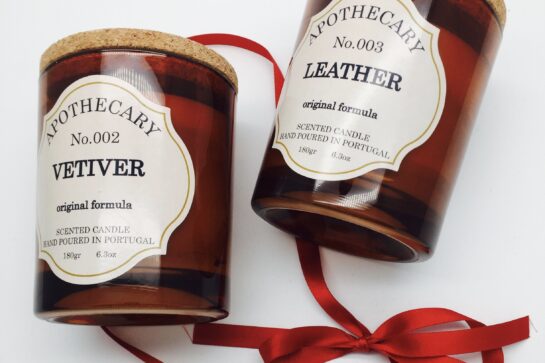
Refreshing a home interior doesn’t always require a full renovation. In many cases, a few thoughtful design touches can completely change the feel of a room. Small updates — particularly those that add texture, depth, or visual interest — can turn a plain space into something far more stylish.
In recent years, decorative wall features have become especially popular in modern interiors. Rather than leaving walls completely flat, many homeowners are adding subtle architectural details that give a room more character. These elements create visual layers and help spaces feel thoughtfully designed without overwhelming the overall style.
With a few carefully chosen features, it’s possible to transform an interior while keeping the look clean, modern, and welcoming.

Interior Trends That Focus on Texture and Depth
One of the most noticeable trends in contemporary interior design is the move towards layered textures. Instead of relying solely on colour or furniture, designers now use different surfaces to bring depth and interest to a space.
This approach helps rooms feel richer and more dynamic. Smooth painted walls may be paired with natural wood finishes, woven fabrics, or stone details. These contrasting surfaces create a balanced look that feels warm and visually engaging.
Texture also works particularly well in minimalist interiors. When colour palettes remain simple — such as whites, greys, or soft neutrals — textured elements provide variation without disrupting the calm atmosphere of the room.
By introducing subtle layers, interiors gain personality while maintaining a modern aesthetic.
Statement Walls as a Design Feature
Statement walls have long been a popular design choice, and they continue to evolve in modern homes. Instead of bold paint colours alone, homeowners are now experimenting with materials and structured patterns to create eye-catching features.
Living rooms are a natural place for a feature wall. A textured surface behind the sofa or television can become the visual centre of the space, helping to frame the furniture arrangement.
Bedrooms also benefit from this idea. A feature wall behind the bed adds a sense of structure and style while keeping the rest of the room simple and relaxing.
Even hallways and entryways can gain impact from a carefully designed wall feature. These areas are often overlooked, yet they provide an excellent opportunity to introduce decorative elements that set the tone for the rest of the home.
By focusing on one wall, homeowners can add character without overwhelming the overall design.
Adding Architectural Interest to Plain Spaces
Many modern homes include large blank walls that can sometimes feel flat or unfinished. Introducing architectural detail is an effective way to bring these spaces to life.
One increasingly popular option is slatted cladding panels. These vertical or horizontal slats add structure and rhythm to a wall, creating a visually striking surface while maintaining a clean and contemporary appearance.
The linear design works particularly well in modern interiors where simplicity and order are key elements. The repeating pattern creates subtle depth, allowing light and shadow to add movement throughout the day.
Slatted wall features can be used in many areas of the home, including living rooms, bedrooms, and home offices. They can also frame specific zones, such as reading corners or media areas, helping to define the layout of a room.
Because the design is both decorative and understated, it blends easily with a wide range of interior styles.
Styling Tips for Contemporary Interiors
When introducing decorative wall features, thoughtful styling helps create a cohesive look. A balanced colour palette is often the starting point. Neutral tones such as warm beige, soft grey, or off-white provide a calm background that allows textured surfaces to stand out.
Lighting also plays an important role. Wall lights or directional spotlights can highlight textured surfaces and create subtle shadows that enhance depth. Even natural light can emphasise the structure of decorative wall panels throughout the day.
Furniture and accessories should complement the overall aesthetic rather than compete with it. Simple shapes, natural materials, and carefully chosen decorative pieces can support the design without making the space feel crowded.
Plants, artwork, and textiles can add warmth while maintaining the modern feel of the room. With the right balance, these elements work together to create an interior that feels polished yet comfortable.
Transforming a space doesn’t always require major changes. Often, the most effective updates come from simple design features that introduce texture, depth, and visual interest.
Decorative walls, structured surfaces, and thoughtful styling can instantly elevate modern interiors while keeping them clean and inviting. By experimenting with subtle architectural details and complementary décor, homeowners can create spaces that feel both stylish and personal.